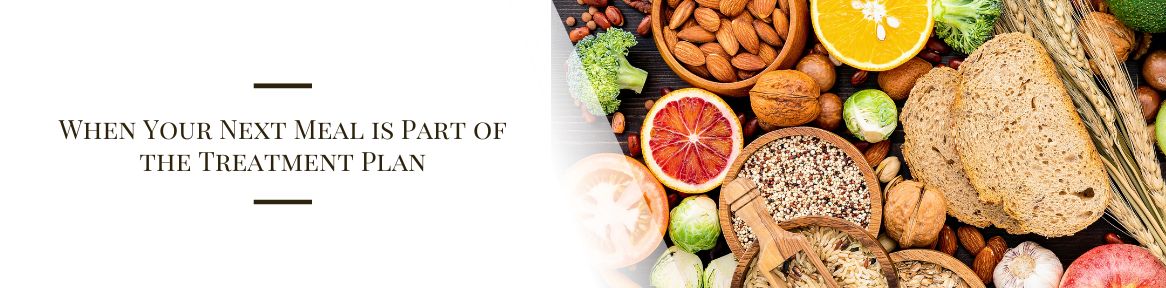
For many chronic health issues, everyday exposures matter most. Food isn’t only fuel. It’s raw material, signaling molecules, and a daily set of “instructions” your body reads repeatedly.
The idea of food as medicine isn’t new. It shows up in traditional healing systems, in public health, and increasingly in modern clinical research. The most useful way to think about it today is practical and evidence-based:
- Food can reduce risk (primary prevention).
- Food can support treatment alongside medical care (adjunct therapy).
- Food can change symptoms by affecting inflammation, blood pressure, lipids, glucose, the gut microbiome, and even brain signaling.
It won’t replace necessary medications or procedures. But in many cases, it can meaningfully shift the trajectory of health and sometimes quickly. continue reading
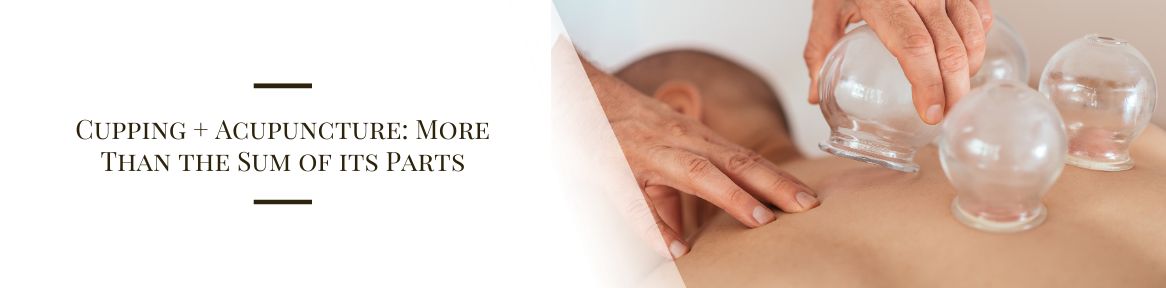 Do any of these scenarios sound like your life: a stubborn knot between the shoulder blades, a low-back flare that keeps returning, or a neck that feels “stuck” after long hours at a desk? Acupuncture needles can calm the nervous system and change pain signaling and cupping can mechanically decompress tight tissue and improve local circulation. Used together thoughtfully and safely they’re often paired to help pain move from “sharp and guarded” to “dull and workable,” and then to “resolved or manageable.”